Brian Chesky says early-stage CEOs must pair careful hiring with close guidance, and learn to trust their own judgment when experience conflicts with instinct.
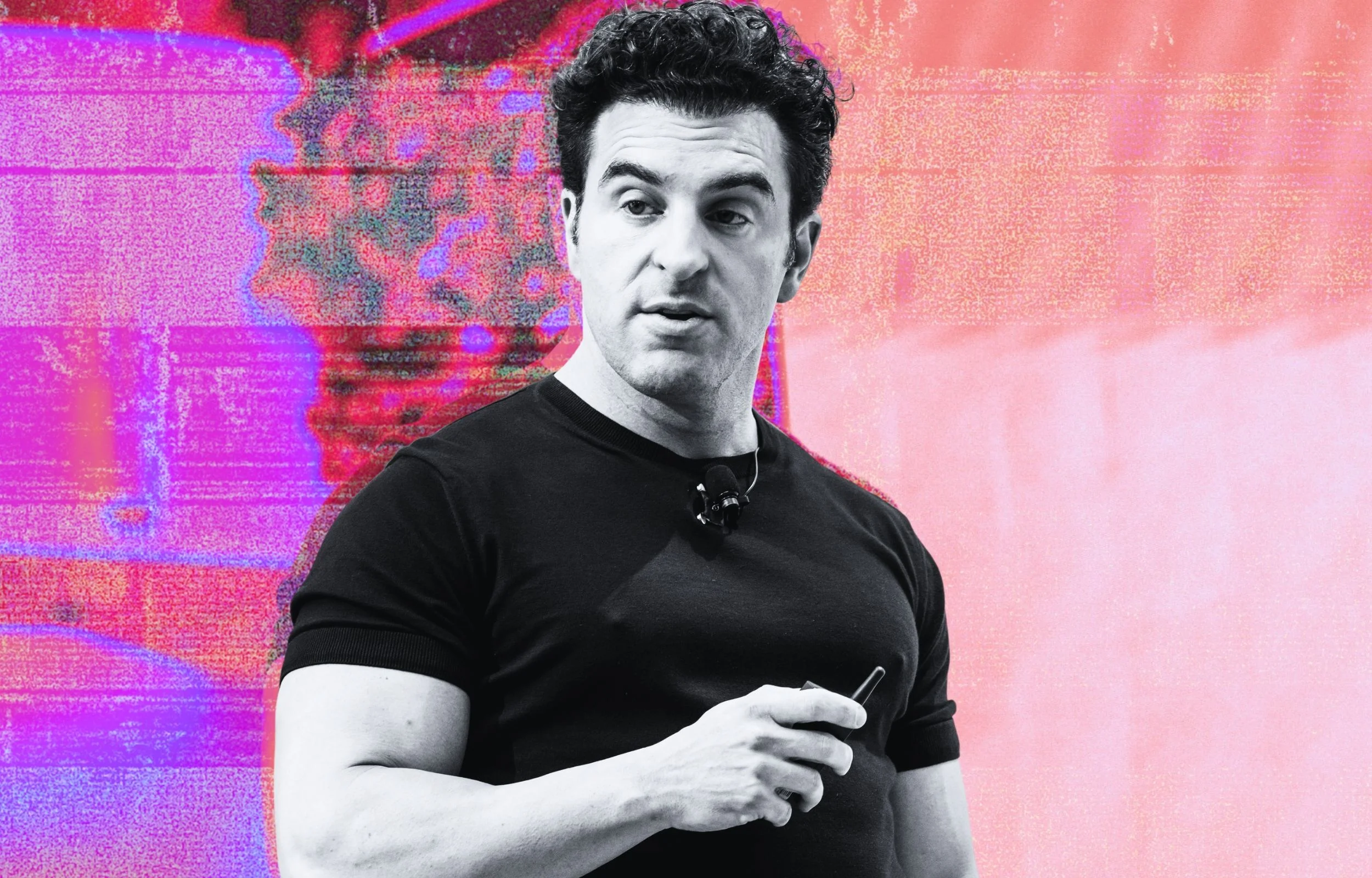
From founder to CEO
For a young company, hiring talented people and leaving them to work independently can carry real costs. Airbnb CEO Brian Chesky says founders need to stay close to their teams, make deliberate hiring choices and build the judgment to lead with conviction. His account points to a gap that can open as a company grows: the abilities that help someone start a business don't automatically prepare them to run a larger organization. That shift can be uncomfortable, especially for founders who see independence as a sign of trust.
Chesky has led Airbnb since its founding in 2007. The company now has more than 5.5 million hosts and reported $12.24 billion in annual revenue in 2025. Yet in a recent interview on the How I Built This podcast, he described his early leadership abilities in stark terms: “I think I was pretty much naturally a great founder and I was naturally a terrible CEO.” The bluntness is useful because it frames leadership as work to be learned, rather than a natural extension of having a good idea. Revenue and scale tell you what a company has achieved; they don't, by themselves, explain how its leader learned to manage people.
That distinction matters for founders moving from building a product to directing an organization. Chesky said the work of creating things can begin long before a company exists. He traced his own preparation to childhood, when he designed and took apart toys. By the time he founded Airbnb at 26, he estimated he had “20 years of experience as a founder.” That’s his way of describing a long habit of making things, not a claim that childhood projects are equivalent to running a company. Still, it highlights a broader point: founders may arrive with years of practice in spotting problems and shaping products, while management brings a different set of demands.
Why delegation can fail at an early company
Leading a company, he argued, calls for a different set of instincts. Conventional advice tells managers to hire strong people, trust them and give them room to do their jobs. Chesky said that approach may suit a more mature business, but can put a young company at risk. In an early organization, responsibilities and routines may still be taking shape, so a capable hire can make reasonable decisions that don't fit the company’s direction. Delegation can save a CEO time, but it doesn't remove the need to explain what matters or check whether the team shares the same understanding.
His alternative starts with hiring people who are smart, ambitious and “a little bit ahead” of the CEO, while choosing candidates who understand the company. Then the CEO needs to stay engaged with their work. That’s a more demanding model than simply hiring experienced talent and stepping aside, but Chesky’s point is that a young company may still need close direction as its roles, priorities and working habits take shape. The challenge is to make that involvement useful rather than smothering: employees need room to exercise judgment, while the CEO has to give them a clear account of the standards they’re expected to apply. Here's the thing: a job title alone can't settle where that balance belongs.
His comments also put culture building above some of the operational challenges often associated with running a business. Asked how a CEO can create a workplace where employees make sound decisions without the boss present, Chesky called that “the hard stuff.” He said that becoming profitable and managing expenses are comparatively easy. That’s a striking assessment from a leader of a business with billions in annual revenue. The financial scale is measurable; a culture that lets employees act consistently with the company’s expectations is harder to build and sustain.
This is more significant than it looks. A company can document procedures and assign ownership, but those steps don't guarantee that people will make similar choices when a situation falls between the rules. Culture is tested in those moments, when employees have to interpret priorities without waiting for the CEO to weigh in. (And this is the part most people overlook.) Close management isn't only about reviewing work; it can also mean teaching people how to make decisions, then listening when they explain the reasoning behind them.
Learning to act on judgment
Chesky said he was initially cautious about managing people, especially employees who seemed older or more experienced. He described himself as “a little bit of a people pleaser” who wanted colleagues to like him. That hesitation, he suggested, made it harder to give direction and hold to his own view. The tension is familiar in a founder’s first management role: the same person may need to earn trust from colleagues while also making choices that some of them disagree with. Avoiding discomfort can preserve a pleasant conversation, but it can leave a team without a clear decision.
When his instincts conflicted with an employee’s advice, he often deferred to the other person’s experience. He said that was usually a mistake. His lesson isn’t that a CEO should dismiss colleagues: “It doesn’t mean you’re wrong, but now let’s talk about it,” he said, describing the conversation his intuition should prompt. That distinction matters. Experience is evidence, but it isn't a substitute for examining whether a recommendation fits the company’s particular needs. A leader who treats disagreement as a reason to ask better questions can hear expertise without surrendering responsibility for the final call.
For founders, the practical takeaway is to treat leadership as a skill set that must grow alongside the company. Chesky’s experience suggests that hiring well is only the start; early CEOs also need to set direction, stay close enough to spot problems and create room for candid disagreement. If you're working in this space, the useful question isn't simply whether your team is talented, but whether people know how to apply their judgment when you aren't in the room. That takes repetition, clear expectations and a leader willing to hear challenges without reflexively yielding or shutting them down. A founder's instincts can help set a course. The harder task is building a team that can follow it intelligently—and tell the CEO when the course needs another look.



Discussion
Sign in to join the discussion.